Newsletter Subscribe
Enter your email address below and subscribe to our newsletter

 ByJohn A
Joining a maritime project can be challenging for an engineer who understands a particular discipline but is unfamiliar with the vessel’s operation. Drawings contain specialist terminology, meetings move quickly, and assumptions may be shared by experienced colleagues without being written down. A clear project introduction helps new contributors ask useful questions sooner.
An offshore supply vessel provides a good example of why context matters. The technical work serves a logistics mission, with cargo, shore arrangements, and offshore interfaces shaping the brief. Understanding that mission does not require mastery of every discipline, but it does require a shared explanation of what the project intends to deliver.
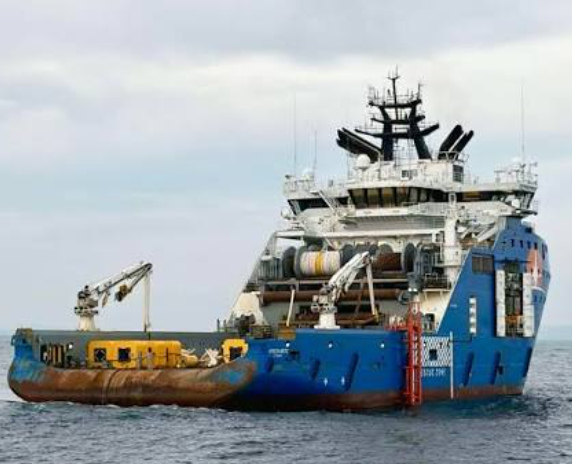
For an introductory reference, Sirius Design & Integration describes the role and development of a psv vessel. PSV stands for platform supply vessel. Use that definition as the beginning of a project-specific conversation, then ask how the particular owner’s assignments differ from the broad vessel category.
Provide a short description of a representative assignment. Explain the journey, the types of support expected, and the organisations involved. Distinguish the proposed service from examples taken from another vessel or an earlier project.
Identify the current development stage and the decisions already made. New contributors should know which assumptions they can question directly and which require a formal change process. This makes the introduction practical. It gives someone a place to locate their work within the mission instead of expecting them to infer the project from a directory of drawings.
Create a concise glossary of terms used in the project, focusing on expressions that could be misunderstood across disciplines. Include abbreviations in drawing notes and meetings rather than assuming familiarity. Explain terms through the relevant activity where possible.
Encourage questions without turning every meeting into a training session. Provide a reference that can be consulted afterwards and identify people who can clarify specific subjects. Accessible language does not reduce technical precision. It helps ensure that agreement in a meeting reflects shared understanding rather than reluctance to admit that a label is unfamiliar.
Choose a real project requirement and trace its implications through the relevant work packages. Explain which inputs each discipline needs and where results are passed to another contributor. Keep the example grounded in the actual design stage.
Ask new team members to identify the interfaces relevant to their assignment. Review those findings with an experienced colleague before work proceeds too far. This helps prevent a technically competent contribution from being developed around an assumption another discipline has already changed or was never responsible for confirming in the first place.
Arrange a structured conversation with people familiar with the planned work. Ask them to describe a task, a common difficulty, and the information they would need from the design. Where access to an existing vessel is appropriate and authorised, give the visit a clear learning purpose.
Keep observations separate from approved requirements. Operational experience can reveal questions, but proposed changes still need technical assessment and project approval. This distinction allows new engineers to learn from practical work without treating every anecdote as an instruction or dismissing it because it is not already in a specification.
When reviewing a new contributor’s work, connect comments to the requirement or interface affected. Explain why the point matters and how closure will be demonstrated. A correction without context may solve one drawing while leaving the underlying misunderstanding unchanged.
Ask the contributor to summarise the decision and identify related work that could be affected. This creates a useful check of understanding without relying on confidence or seniority as a proxy for competence. Keep accepted responses in the project’s normal records so the learning process also supports traceability for everyone else involved.
Ask experienced colleagues to explain one decision they initially misunderstood and what clarified it. Practical examples can normalise careful questioning and reveal where project introductions need improvement. Keep the discussion focused on learning rather than personal assessment or comparison.
See also: What Businesses Should Know Before Ordering Sweatshirts for Printing
Give new engineers an assignment with a clear scope, inputs, reviewer, and expected output. Increase complexity as their understanding develops. Provide access to the current documents and make the route for unresolved questions visible.
Strong project participation depends on context as well as technical knowledge. Explaining the vessel’s mission, translating terminology, and showing how disciplines interact can make offshore supply projects more approachable to capable contributors from different backgrounds. The benefit extends beyond individual learning: clearer explanations expose assumptions, improve handovers, and help the whole team develop a more consistent understanding of the vessel it is designing.